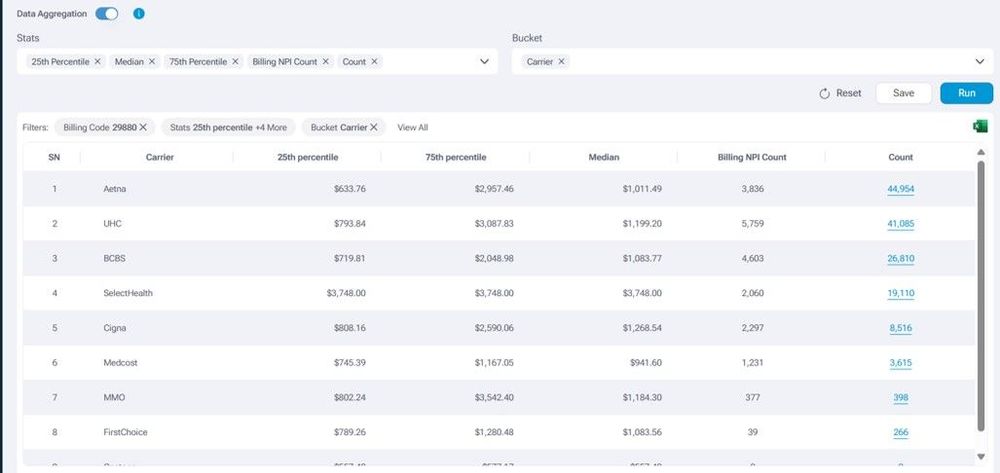
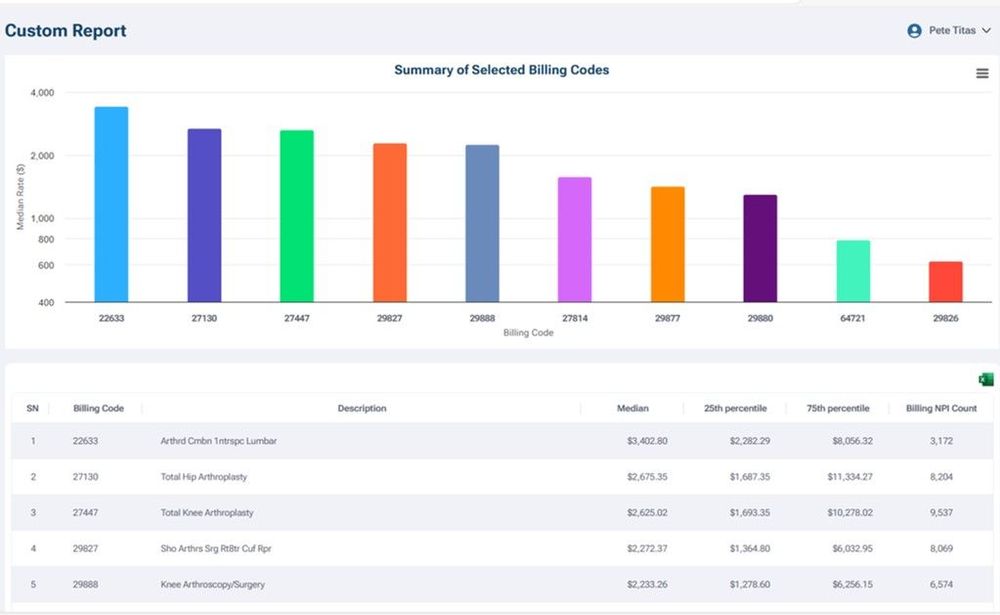
For 25 months now, a quiet revolution has been unfolding in the healthcare industry. The Transparency in Coverage rule, which mandated that payers make their contracted rates with in-network providers available through machine-readable files, has opened up a treasure trove of information, bringing unprecedented insight into healthcare costs and pricing structures.
Many Are Taking Advantage
Those providers, payers and brokers who have seized this opportunity are reaping significant benefits:
Data-Driven Negotiations: Armed with comprehensive pricing information, providers are negotiating contracts with a clearer understanding of market rates.
Competitive Positioning: Payers are using this data to benchmark their rates against competitors, allowing for more strategic pricing decisions.
Cost Optimization: Both sides are identifying outliers in pricing, leading to more efficient cost management.
Market Trend Analysis: The ability to analyze 25 months of data has revealed long-term pricing trends, enabling informed planning and more accurate forecasting
Enhanced Value Proposition: Access to comprehensive pricing data allows brokers to provide more valuable insights to their clients.
Tailored Plan Design: Brokers can use the data to design more cost-effective and competitive benefit plans for employers
Empowered Consumers: Consumer shopping tools allow members to compare prices for shoppable services, driving informed decision-making, providing personalized cost-share data and potentially reducing out-of-pocket costs.
Risks Of Being Left Behind
However, not everyone has taken advantage of this data goldmine. Those who haven't are increasingly finding themselves at a disadvantage:
Blind Negotiations: Without access to comprehensive pricing data, these entities are negotiating in the dark.
Missed Opportunities: They're unable to identify potential cost savings or revenue opportunities that the data might reveal.
Reduced Competitiveness: As competitors leverage the data to optimize their operations, those left behind are struggling to keep up or identify new opportunities.
Patient Dissatisfaction: In an era of increasing price transparency, providers and payers unable to provide clear cost information may face patient/member frustration.
Non-Compliance Penalties: Failure to provide required consumer shopping tools can result in significant financial penalties.
Loss of Member Trust: Members may lose confidence in payers that don't provide the transparency tools they're entitled to by law.
Realizing Value From Payer MRFs is a MUST!!
The 25 months since the implementation of the Transparency in Coverage rule have been transformative. These 25 months have marked a coming of age for healthcare pricing transparency, with several providers and payers taking the task of ingesting data on their own or working with data analytics organizations that have the horsepower and expertise to efficiently make this data available to them.
As we move forward, the divide between those leveraging this data and those ignoring it will likely grow. The message is clear: in today's data-driven healthcare landscape, transparency is not just a regulatory requirement—it's a competitive necessity and a crucial element of patient/member-centric care.
Take Action TODAY!!
Are you making the most of the Payer MRF data today? The team at Deerhold has 20+ years of experience in handling large, complex data and driving to the valuable insights our customers require to have a competitive advantage in their respective markets and ultimately deliver the highest value to their customers, patients, and members.
Contact Deerhold today for an overview of Payer MRF data through our PRIZM platform and discuss how this data can have a meaningful impact on your organization and your customers.